Installing a water heater is a crucial home improvement task that ensures you have a reliable supply of hot water for everyday needs, from bathing and cooking to cleaning and laundry. Whether you are replacing an old unit or setting up a new system in a recently constructed home, proper installation plays a vital role in the efficiency, longevity, and safety of the appliance.
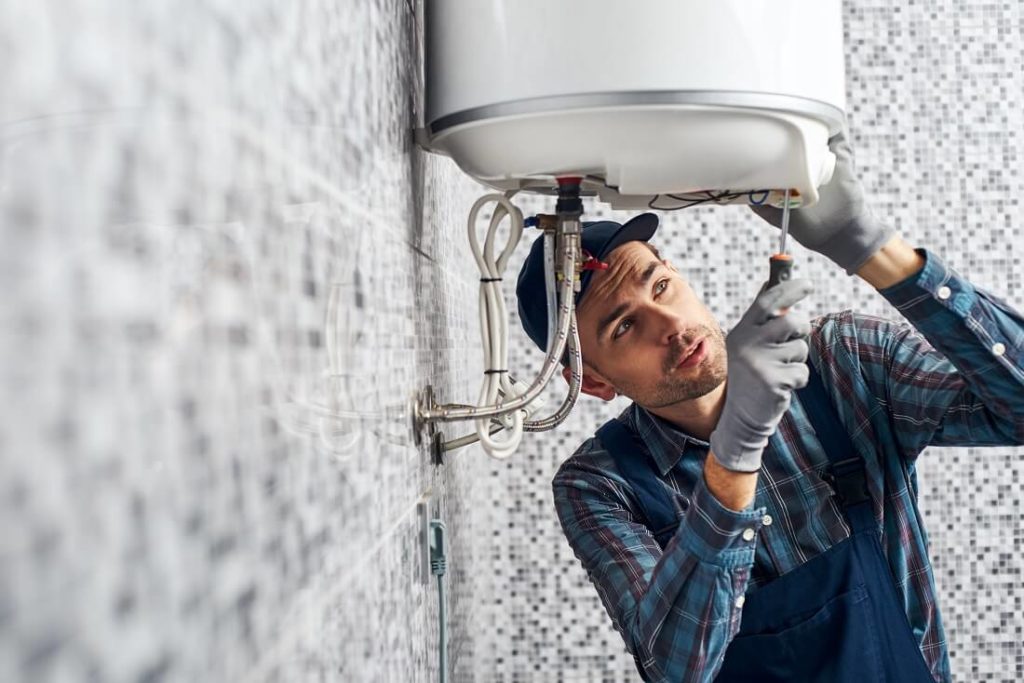
Water heater installation begins with choosing the right type and size for your household. There are two main categories: traditional tank-style heaters and tankless (on-demand) units. Tank water heaters store a specific amount of heated water, which is available at all times, while tankless models heat water as it flows through the unit, offering energy efficiency and unlimited hot water. The right choice depends on factors like household size, water usage patterns, energy preferences, and available space.
Once a suitable unit is selected, the installation site must be prepared. For electric heaters, this involves ensuring access to proper electrical connections and, for gas models, a safe and compliant gas line setup. Ventilation is also critical, especially for gas water heaters, which require adequate exhaust systems to release harmful gases safely. A licensed plumber or HVAC technician ensures that all plumbing and mechanical aspects meet local building codes, preventing risks like leaks, fire hazards, or carbon monoxide buildup.
The next step is removing the old water heater, if applicable. This must be done carefully to avoid damaging plumbing connections or flooding the area. After safely disconnecting power and water sources, the old unit is drained and removed. With the space cleared, the new water heater can be positioned, leveled, and securely connected to the water supply lines. For gas models, a licensed professional will also connect the gas line and test for leaks. Electric units require a certified electrician to ensure proper wiring and safe voltage connections.
After all physical and electrical connections are secured, the system is tested. The water heater is filled, power is turned on, and temperature settings are adjusted. A good installer will also check for leaks, confirm proper water pressure, and ensure the unit is operating at its optimal capacity. In some cases, safety measures like expansion tanks or pressure relief valves may be installed to prevent long-term issues.
Hiring a professional for water heater installation not only guarantees compliance with local regulations but also helps avoid costly repairs and extends the life of your appliance. Although it may seem like a straightforward task, the technical requirements and potential hazards involved make expert installation a smart investment for your home and peace of mind.